Diagnostic imaging
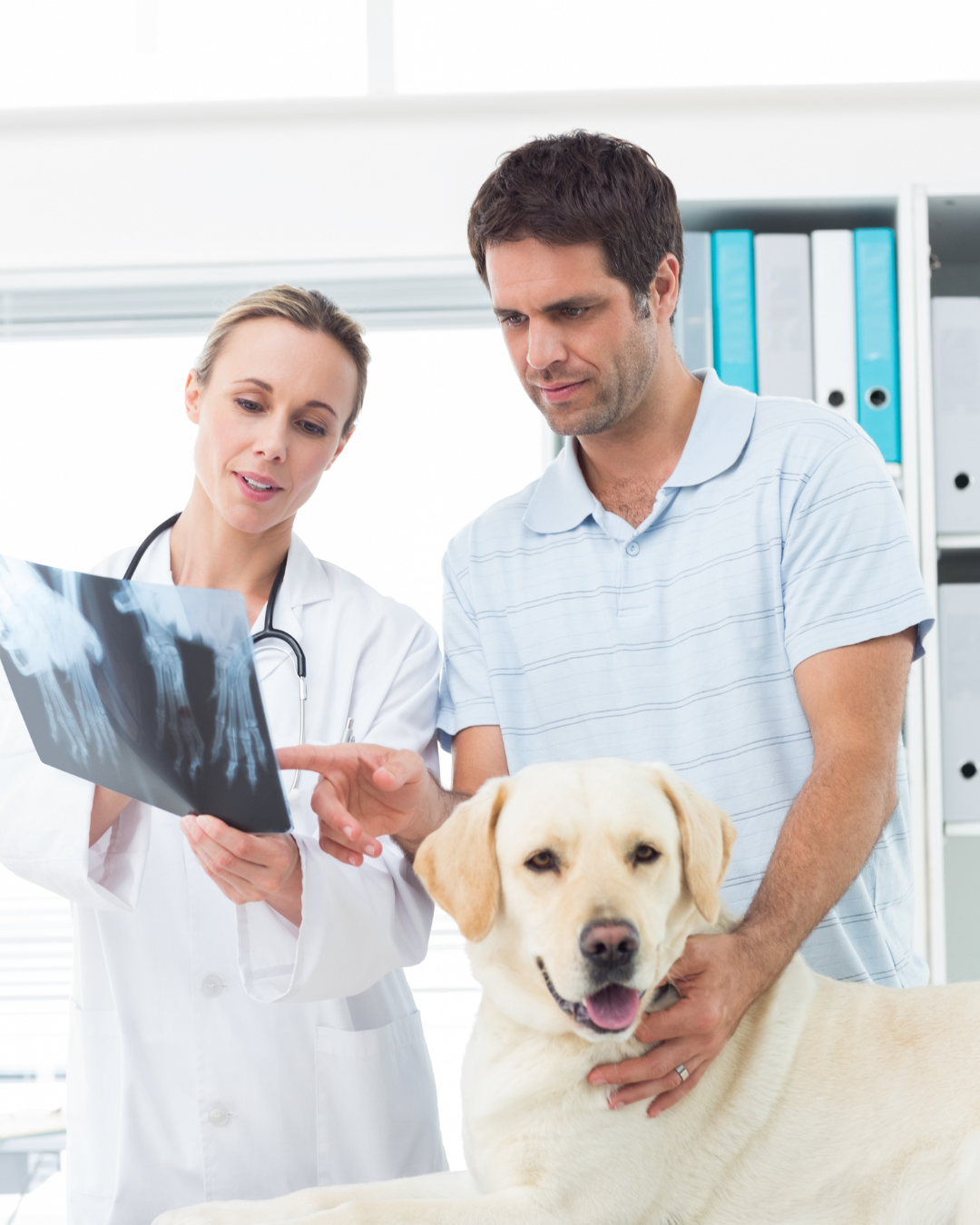
Our advanced diagnostic imaging services play a vital role in accurately diagnosing and treating your pet’s health conditions.
At Fernie Veterinary Services, we utilize state-of-the-art technology, including digital X-rays and ultrasound, to obtain detailed, non-invasive insights into your pet’s internal health.
These tools enable our veterinary team to detect issues such as fractures, organ abnormalities, tumors, and more—often before symptoms appear. With fast, precise imaging results, we can make informed decisions and provide the highest standard of care tailored to your pet’s needs.
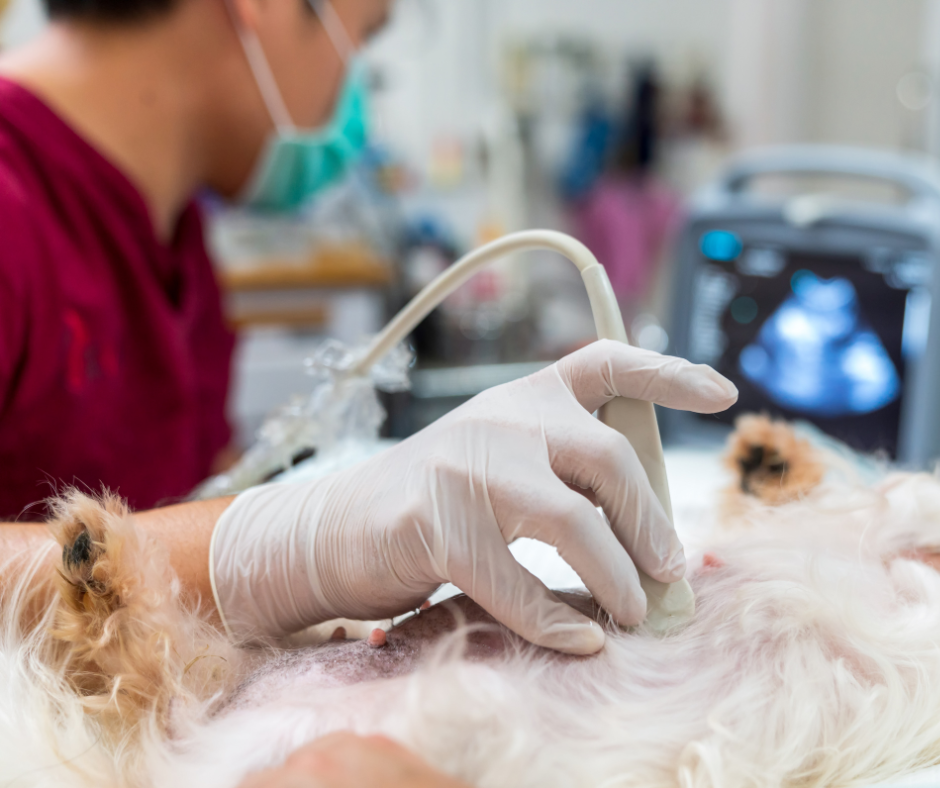
Ultrasound Imaging
View More
At Fernie Veterinary Services, we offer ultrasound imaging to provide a non-invasive, highly effective method of diagnosing a variety of medical conditions in pets. Ultrasound uses sound waves to create real-time images of the internal organs and structures of your animal, allowing our veterinarians to see what’s happening inside your pet’s body.
Ultrasound is particularly valuable for evaluating the heart, liver, kidneys, spleen, bladder, and reproductive organs. It can also be used to assess the health of tissues and detect abnormalities like tumors, cysts, fluid buildup, or signs of infections. This imaging technique is safe and painless, making it an excellent option for many pets
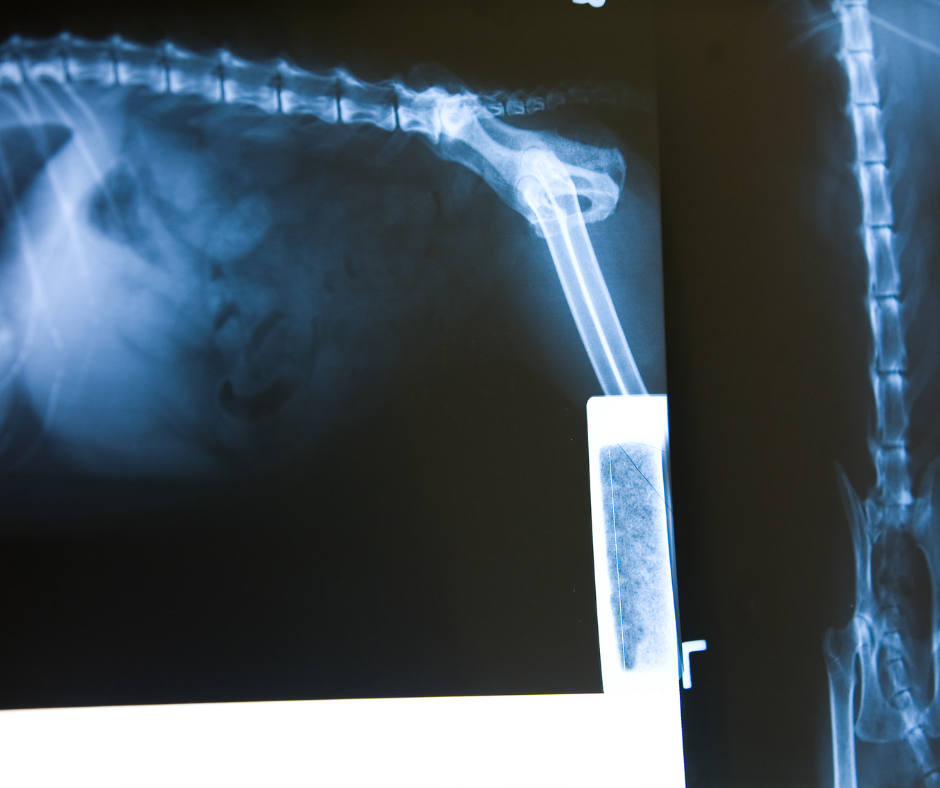
X-ray (Radiographs)
View More
X-ray imaging is a critical diagnostic tool at Fernie Veterinary Services, which helps us see inside your pet’s body to identify a wide range of conditions, from broken bones to internal issues that may not be visible externally. Our X-ray machines allow us to take detailed images of your pet’s bones, organs, and tissues.
X-rays are commonly used to diagnose bone fractures, joint problems, arthritis, dental issues, and conditions such as pneumonia or heart disease. They are also essential for evaluating the presence of foreign objects or the extent of certain diseases, including cancer, affecting your pet.
The process of taking an X-ray is quick and non-invasive, and we ensure that your pet is as comfortable and stress-free as possible during the procedure. In some cases, sedation may be required to help your pet stay still, especially for pets that are anxious or in pain.